People ask about the name a lot. Usually about ten minutes into a first call, once the serious questions are out of the way and they've decided they can risk a daft one.
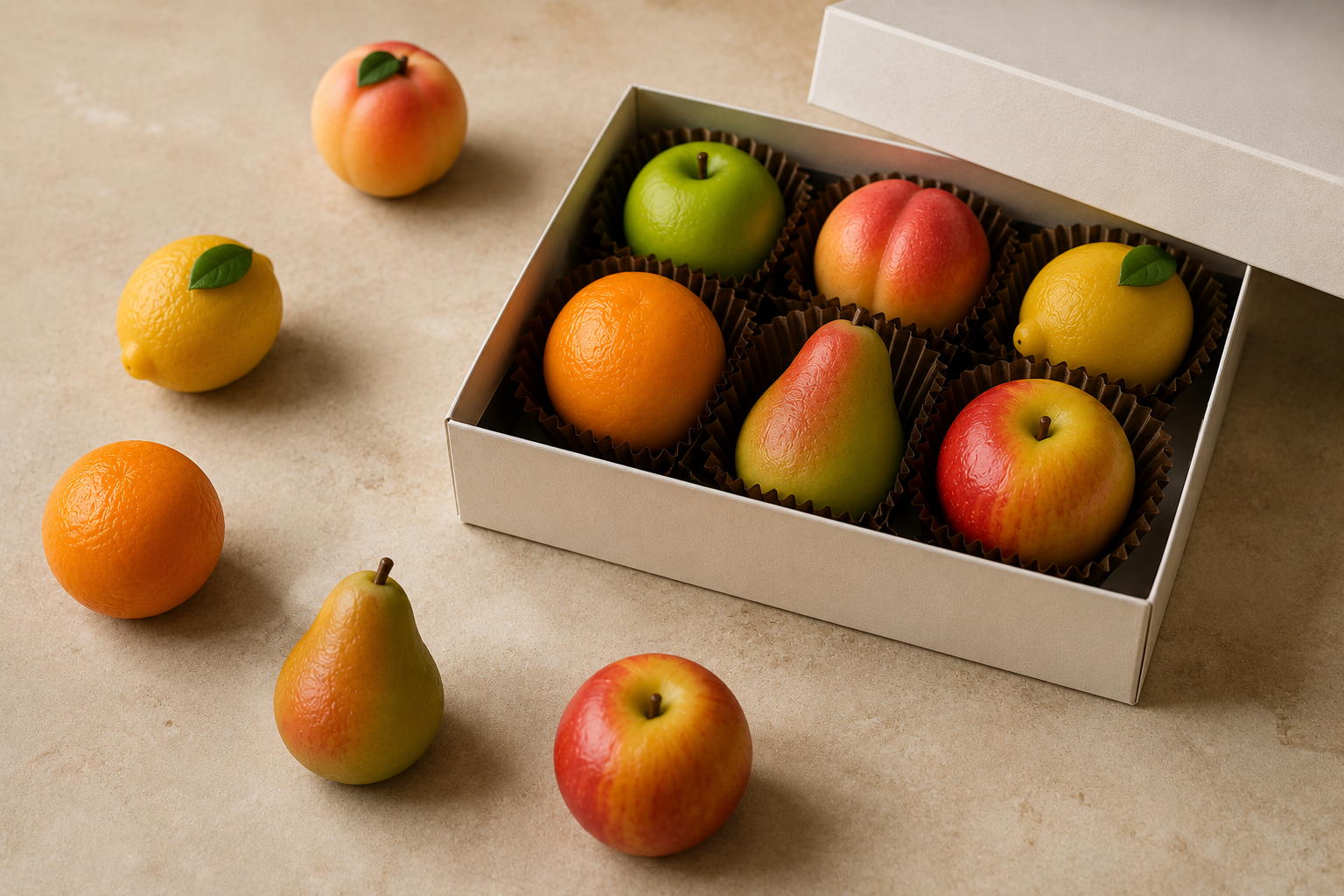
The honest answer is that I like marzipan. I like it at Christmas, I like it in stollen, I like it in the bit of a Battenberg everyone else picks off. There was no workshop. There was no positioning exercise with a consultant and a wall of Post-its. There was a company that needed a name by the end of the week, and a word I was fond of that nobody else in the industry was using.
That's it. That's the story. If you came for the origin myth, you can stop here.
What a sensible person would have called it
I didn't agonise over alternatives, so I can't show you the list I rejected. But I don't need to, because the sensible answer is written down all over this industry. Look at who we compete with. Wine, bolted to a commerce word, in one arrangement or another. That's the convention, and it's the convention because it works.
Any of those names would have beaten Marzipan on the criteria I should have been using. They say what the company does. They rank for the terms you want to rank for. A winery owner reading one on a conference badge knows instantly whether to keep walking.
Those are real advantages and I don't want to pretend otherwise. A descriptive name does free work for you, every day, forever. It's the single cheapest piece of marketing you will ever buy.
It's also a bet. A descriptive name is a wager that the thing you're describing is the thing you'll still be doing in five years. Most founders make that bet without noticing they've made it, because at the point you name the company, the category feels less like a choice than a fact about the world.
The bet comes due later
Every company that lasts changes what it is, at least a bit. A module turns out to be the main event. A problem you solved for one industry turns out to be a problem several industries have, and the enquiries start arriving from somewhere you weren't looking.
When that happens it touches almost everything. Positioning, pricing pages, ICP, the shape of the roadmap, who you hire, which conferences are worth the train fare. What it doesn't have to touch is the name, the logo, the domain, the trademark, the email addresses, a few years of blog posts, or a single link anyone has ever made to you.
If we'd picked one of the sensible names, it would have touched all of them. And the cost isn't really the rebrand. The rebrand is a few weeks and an invoice. The cost is that a company called WineSomething has to decide whether it's willing to blow up its own name to follow where its product is going, and quite a lot of them quietly decide they aren't. The name starts making the strategy. That's the trap, and it's invisible until you're in it.
The honest cost
I'd be selling you something if I claimed this was foresight. It wasn't. I needed a name, I like marzipan and got lucky, and the sensible version of me would have picked a worse name for excellent reasons.
And the meaningless name does cost you. It costs you every single day, in small amounts:
- Nobody knows what we sell from the name. Every cold email has to do that work in the first line.
- We rank for nothing by default. We rank for what we've earned, which takes years and is why this blog exists.
- You can trademark a common word when it's arbitrary for what you sell, which is a nice side effect, but it doesn't stop a confectioner from having the .com that they don't use you'd have liked.
So it isn't free, and if you're naming something now I wouldn't tell you to reach for the obscure word on principle. What I'd tell you is to know which bet you're taking. A descriptive name buys you clarity today and charges you optionality later. An arbitrary name charges you clarity today and refunds you optionality if you ever need it, and you find out whether you needed it years after the decision, at the exact moment you can least afford to have got it wrong.
The bit I didn't plan
Marzipan is the layer between the cake and the icing.
It's structural. It's the thing that makes the surface work: it smooths out the substrate, stops the icing sinking in, holds the shape. Nobody sees it and nobody orders a cake for it, but take it out and the whole thing looks wrong.
I've been selling headless commerce for a while now, explaining that we're the layer underneath, the commerce engine that holds everything together while somebody else builds the beautiful thing on top, the part your customers never see and never should.
That metaphor was sitting inside the name the whole time and I didn't spot it until someone pointed it out on a call last spring.
Which is, I think, the whole point. The name that means nothing in particular is the one you can fill up later. I'd love to claim I knew that when I picked it but I just really like marzipan.
Adam